Key things to verify before booking a Niagara Falls tour
Understanding the different tour types
Before you decide on a Niagara Falls tour, it helps to know what kind of experience you are looking for. The falls themselves are vast, and the surrounding area offers a range of ways to see them. Some tours focus on the American side, others on the Canadian side, and some cover both. The main difference often comes down to how close you want to get to the water and whether you prefer a guided walk, a boat ride, or a combination of both.
Many travelers start by looking at the classic boat tours such as Maid of the Mist, which takes you right up to the base of the Horseshoe Falls. On the Canadian side, Journey Behind the Falls lets you walk through tunnels that lead to viewing platforms behind the curtain of water. If you want a more active experience, Cave of the Winds on the American side takes you close to the Bridal Veil Falls with wooden walkways. The choice between these options affects the length of your visit, the type of clothing you need, and the overall cost. A good first step is to decide which of these experiences matters most to you, then look for a tour that includes it.
Checking the itinerary and inclusions
Once you have a shortlist of tours, read the itinerary carefully. Some tours advertise "Niagara Falls" but only show you the view from a distance. Others include entry fees to attractions, while some charge extra at each stop. You want to know exactly which attractions are covered and how much time you actually spend at each one. A tour that promises four attractions might mean a quick photo stop at each, rather than a chance to explore.
Also check what is not included. Meals, transportation between stops, and tips for the guide are common extras. If the tour includes a boat ride, check whether the ticket for that ride is part of the price or an add-on. The same applies to access to the observation decks on the towers or the walkways along the Niagara Gorge. Knowing these details upfront helps you compare real costs between different operators. One local option is Niagara Falls Canada Tours, which offers packages that bundle several of these experiences. You can confirm the exact inclusions by visiting the Niagara Falls Canada Tours official site, where the itinerary is listed clearly.
Timing and seasonality
The time of year you visit changes what a tour can offer. In summer, the boat tours run frequently and the weather is warm, but the crowds are large. Spring and fall bring fewer people and cooler temperatures, but some attractions may have reduced hours. Winter tours can be magical because the falls partly freeze and the mist creates ice formations on nearby trees. However, some walkways close due to ice, and boat tours do not run at all during the coldest months.
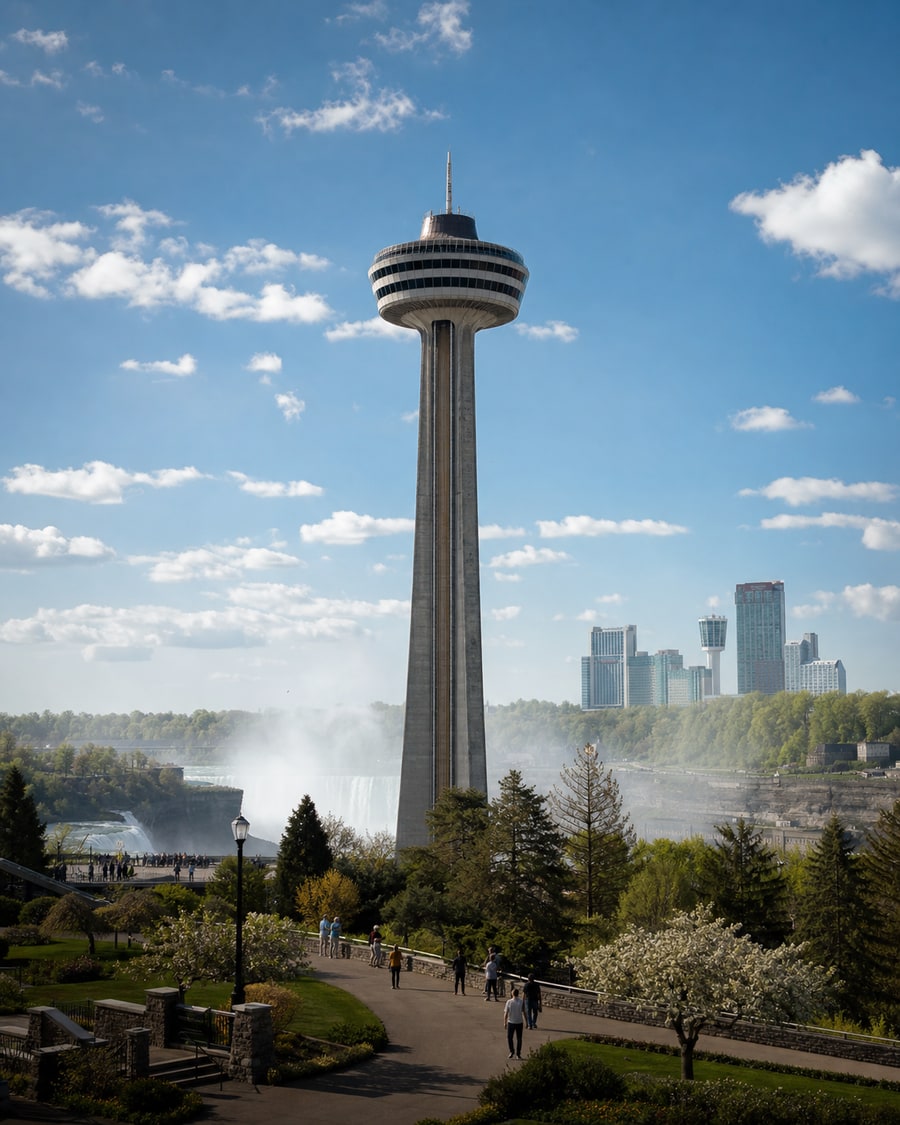
Even within the same season, the time of day matters. A morning tour often means smaller crowds and better light for photographs. An afternoon or sunset tour gives you a chance to see the falls lit up at night, which is a separate experience. Check whether the tour schedule allows you to stay past dark if that is important to you. Some tours are timed so that you return before the evening illumination begins, so you might miss the nighttime view unless you plan for it separately.
Transportation and meeting points
How you get to the start of the tour is another detail worth confirming. Many tours pick you up from hotels in Niagara Falls, Ontario, or from designated meeting points near the falls. If you are staying on the American side, check whether the tour includes transportation across the border. Crossing the Rainbow Bridge requires a passport or enhanced driver’s license, and some tours handle the border process for you, while others expect you to cross on your own.
If the tour does not include pickup, you need to know exactly where it begins. Parking near the falls can be expensive and hard to find during peak season. Some tours start from a central location that is a short walk from most hotels, but others begin from a parking lot further away. Knowing this beforehand saves you from arriving stressed and late. It also helps to confirm what kind of vehicle the tour uses. A large coach can hold many people but may have limited flexibility for stopping at small viewpoints. A smaller van or minibus can navigate tighter roads and offer a more personal experience.
Group size and guide quality
The size of your group affects how much attention you get from the guide and how smoothly the tour moves. Large groups can feel impersonal, especially when everyone is trying to hear the guide over the roar of the falls. Small groups often allow for questions and a more relaxed pace. Some tours advertise a maximum group size, so look for that number. A group of 12 to 15 people is usually manageable, while groups over 30 can be challenging.
The guide themselves make a big difference. A knowledgeable guide can point out geological features, share local history, and explain how the falls have changed over time. They can also help you avoid the busiest spots and suggest the best angles for photos. Since you cannot test a guide’s skill before booking, look at recent reviews that mention the guide by name or describe their style. If the tour operator does not list guide qualifications, it is worth asking. One way to get a sense of the guide team is to check the Niagara Falls Canada Tours official site, where the company sometimes profiles its staff and their backgrounds.
What to wear and bring
Niagara Falls is a wet environment. Even on a sunny day, the mist from the Horseshoe Falls can soak you within minutes. Most boat tours provide a thin plastic poncho, but it is not always comfortable or durable. If you plan to spend time at Journey Behind the Falls or Cave of the Winds, you will get wet from the spray. Wearing quick-drying clothing and shoes with good grip is wise. Sandals or flip-flops can be slippery on wet walkways, and they do not protect your feet from cold water.
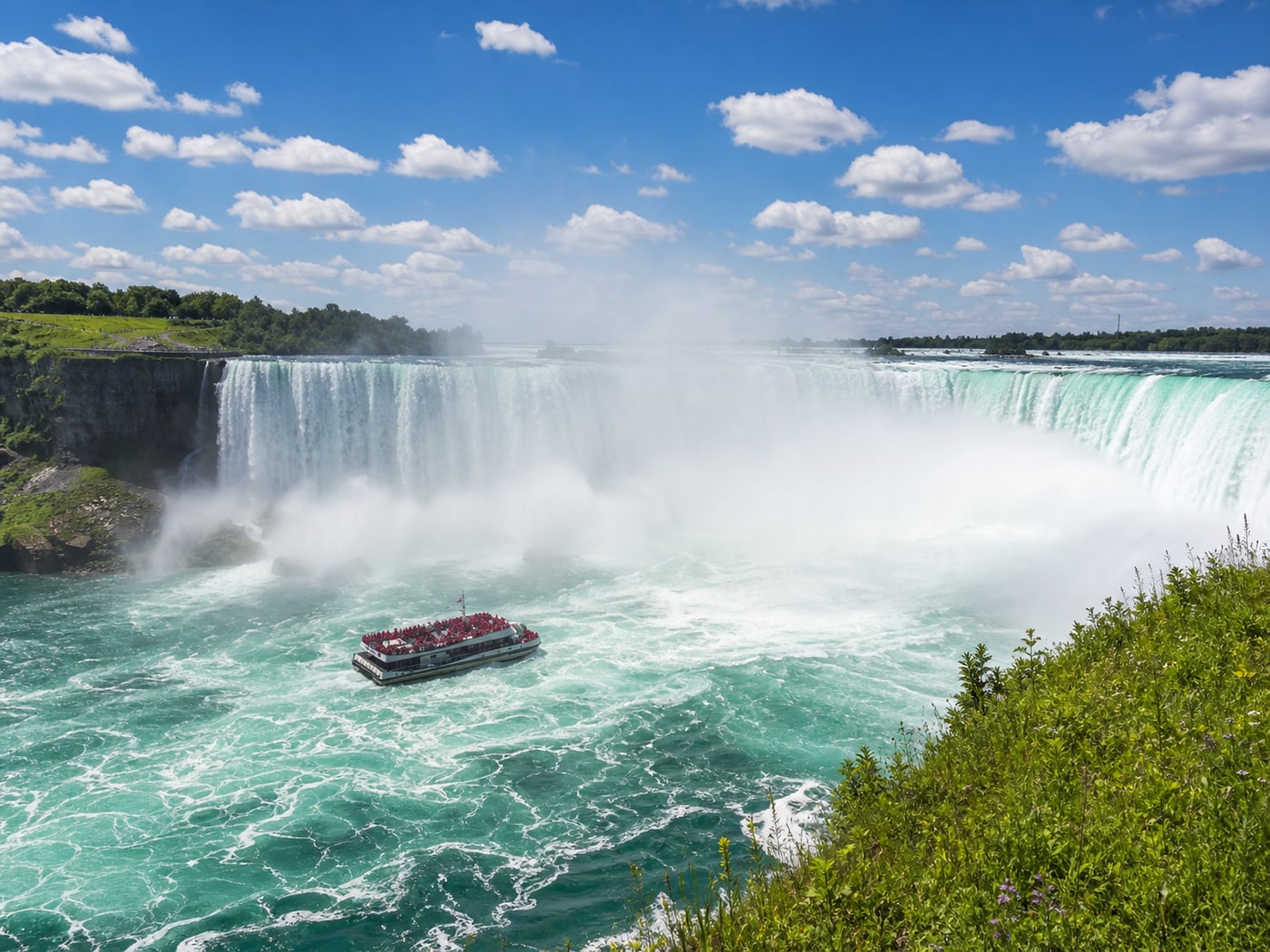
In cooler months, layers are your friend. The temperature near the falls can be several degrees cooler than the surrounding area, especially in the morning or evening. A waterproof jacket over a sweater works well. You may also want a small towel or a dry bag for your phone and camera. Many tours have lockers or dry storage, but it is better to bring your own protection for electronics. Sunglasses and a hat help on sunny days, but be ready to hold onto them because the wind near the falls can be strong.
Reading the fine print and cancellation policy
Tour operators have different policies on cancellations, refunds, and weather changes. Some allow free cancellation up to 24 hours before the tour, while others have stricter windows. If the weather turns bad, some tours still run unless the park closes the attractions. Knowing the policy ahead of time saves you frustration if plans change. Look for a clear statement about what happens if the tour is cancelled by the operator due to weather or other reasons. You should also check whether the tour requires a minimum number of participants to run. Smaller tour companies sometimes cancel a departure if not enough people sign up, and they may not notify you until the last minute.
Another detail to note is whether the tour includes time for meals or whether you need to eat before or after. Some tours stop at a restaurant for a sit-down meal, while others give you a boxed lunch or let you buy food at a concession. If the tour is several hours long, you want to know when and where you can eat. Similarly, check whether restrooms are available at the stops. This sounds basic, but not all tours plan for restroom breaks, and the public facilities near the falls can have long lines during busy periods.
Comparing value over price
Price is always a factor, but the cheapest tour is not always the best value. A low-cost tour might cut corners by skipping entry fees, using a less comfortable vehicle, or limiting the time at each stop. A more expensive tour often includes extras such as a meal, a guide with specific expertise, or access to areas that cost extra otherwise. Before you compare prices, make a list of what each tour covers and subtract any costs you would have to pay separately. That gives you a clearer picture of the actual difference.
Niagara Falls Canada Tours is also on Instagram.
Also consider the time commitment. A half-day tour that covers the main sights might be enough for a quick visit, but a full-day tour lets you explore at a relaxed pace and see more of the Niagara Gorge area. If you are traveling with children or older adults, a slower pace with frequent breaks might be worth the extra cost. Some tours offer reduced rates for children, so check the age brackets. If you are booking for a group, ask whether there is a discount for private tours. That can sometimes work out cheaper per person than a large public tour once you add up all the extras.
Reading recent reviews
Reviews from recent travelers give you a realistic picture of what to expect. Look for comments about the guide, the punctuality, the comfort of the vehicle, and whether the tour actually covered everything it promised. Pay attention to reviews from people who visited during the same season you are planning to go. A tour that works well in September might be different in July when the crowds are three times larger.
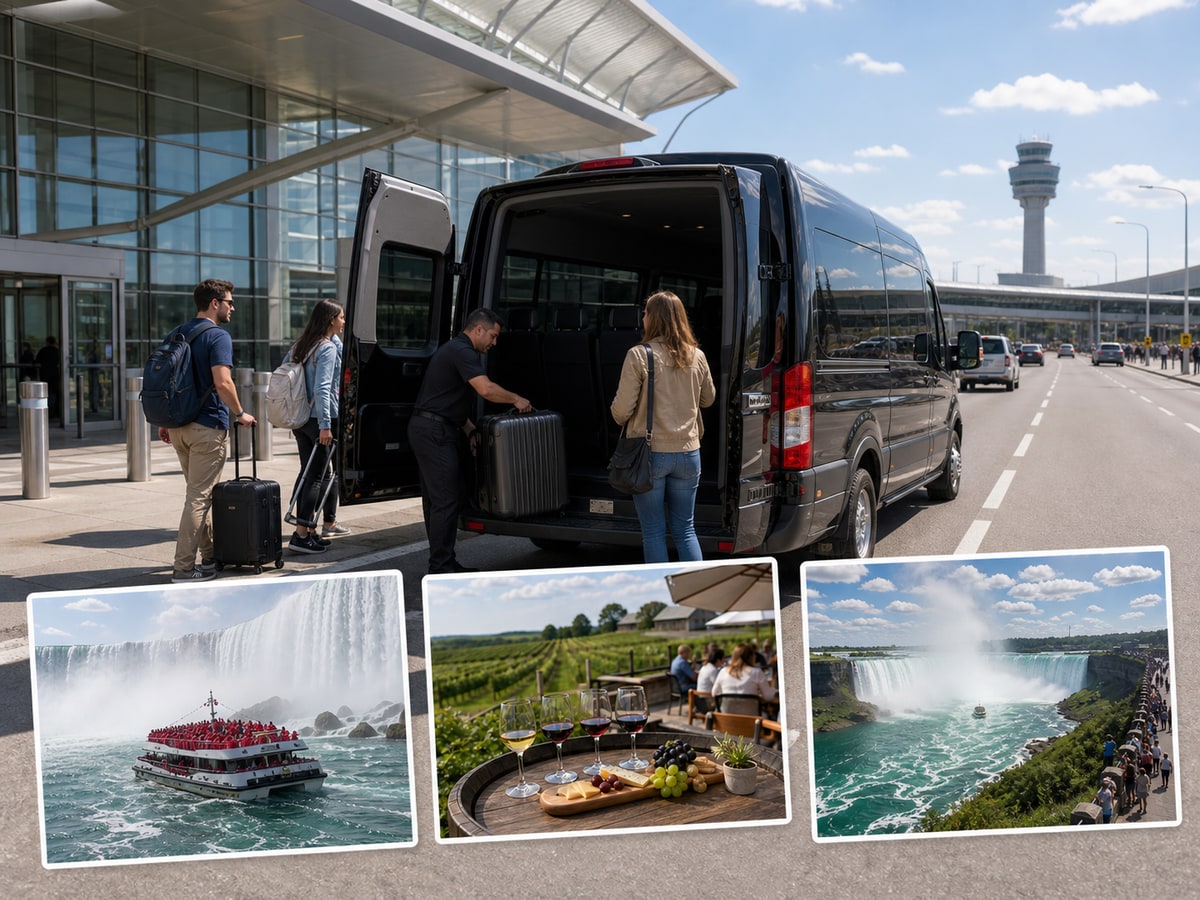
Also note how the operator responds to negative feedback. A company that replies politely and offers a solution shows they care about customer satisfaction. Silence or defensive answers are a red flag. If you see multiple reviews mentioning the same problem, such as a guide who rushed the group or a bus that broke down, take that seriously. No tour is perfect, but patterns of complaints are worth avoiding.
Niagara Falls Canada Tours, located in Niagara Falls, ON, Canada, can be reached at +1 647-477-1520 for any questions about their packages or policies.